Are Smart Thermostats Worth Installing for Gas Central Heating?

As energy costs rise, homeowners seek new ways to optimise their energy usage. Smart thermostats are offered as a money-saving addition for central heating systems, but are they worth the investment? Here’s a look at the benefits and features of smart thermostats for home heating.
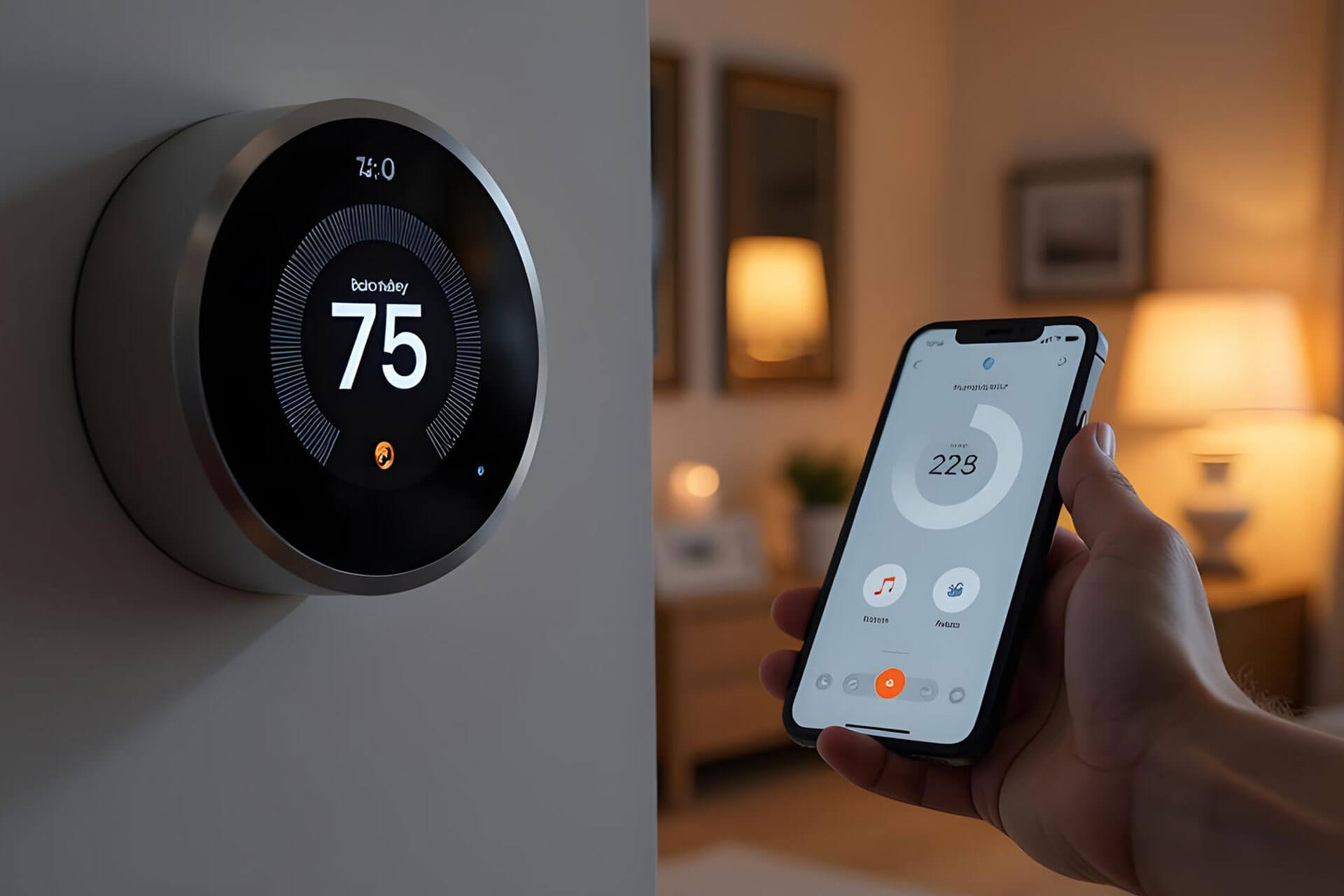
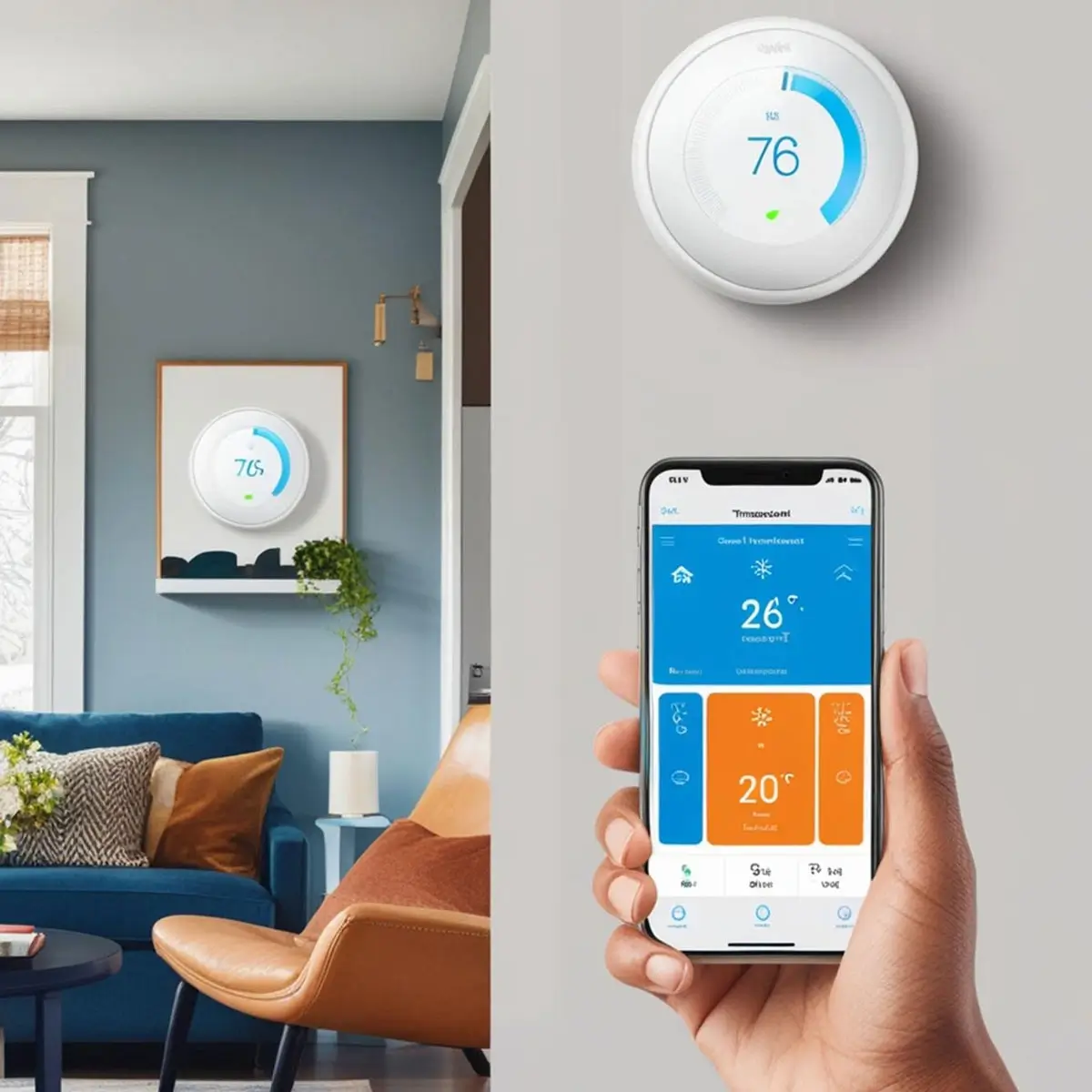
Smart thermostat and mobile app managing temperature.

What is a Smart Thermostat?

A smart thermostat connects to the internet, and gives you complete digital control of your central heating system. It enables very precise scheduling, with the ability to programme on/off times and temperature levels differently for every day.

Some thermostats offer multi-room settings, so you can vary the temperature for bedrooms and living areas, for example. Smart technology learns your preferences, and can even detect when you’re home or away.

Additionally, the thermostat can be operated remotely using a smartphone, tablet or voice-activated assistant like Alexa or Google Home. All these features are designed to optimise your heating’s efficiency and give you greater control over your energy consumption.

The Key Benefits of Smart Thermostats

  • 1. Energy Savings – One of the main selling points of smart thermostats is their potential to lower energy bills. By learning your habits, such as when you’re typically home or away, a smart thermostat can adjust heating patterns accordingly. Instead of heating an empty home, the thermostat lowers the temperature while you’re out and ensures it’s comfortably warm by the time you return. This efficient management can result in noticeable savings on your heating bills.
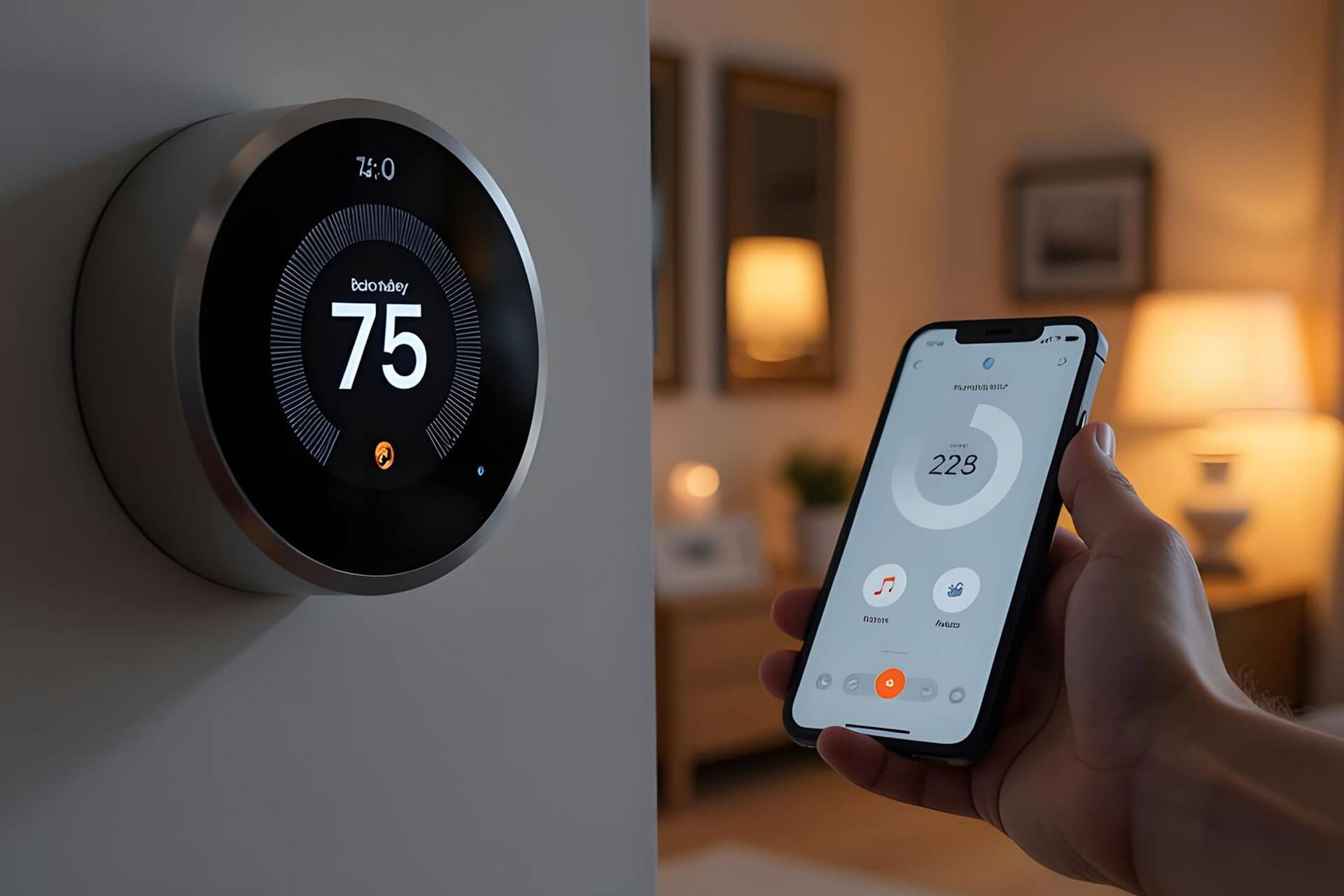
  • 2. Remote Control for Convenience Smart thermostats allow you to control your heating from anywhere. If you’re returning home earlier or later than expected, you can adjust the heating remotely so your home is at the right temperature when you arrive. This flexibility helps you stay in control of your energy usage no matter where you are and how chaotic your schedule is.
  • 3. Holiday Mode The purpose of holiday mode is to maintain an optimal temperature while you’re away for a longer period of time. The setting does not waste energy heating an empty property, but it will ensure that the temperature is kept high enough for safety, even if there are drastic changes in the weather. And with remote control, you can turn the dial up when you are on your way home again at the end of your trip.
  • 4. Personalised Scheduling Unlike standard thermostats, which often require manual programming, smart thermostats offer intuitive scheduling. Many models have learning capabilities, meaning they adapt to your preferences and automatically adjust temperatures based on your routines. This is particularly helpful for busy households with varying schedules.
  • 5. Energy Tracking and Insights Use your smart thermostat to view energy usage reports, see where your energy goes and identify potential savings. With a clearer understanding of your heating patterns, you may be able to adjust settings to be even more efficient.
  • 6. Environmentally Friendly Smart thermostats help reduce unnecessary heating, which in turn lowers your home’s carbon footprint. By minimising wasted energy, you can contribute to a more sustainable home.

Installation and Compatibility

Modern smart thermostats are compatible with most gas central heating systems. To gain all the benefits, installation requires professional assistance to ensure the thermostat is correctly integrated with your existing boiler and controls. If you’re unsure about compatibility, a qualified heating engineer can advise on the best model for your system and assist with installation.
Choosing the Right Smart Thermostat

If you’re considering a smart thermostat, it’s essential to pick one that’s compatible with your gas central heating system. Look for reputable brands that offer features aligned with your needs, such as remote control, energy tracking or voice activation. 

A smart thermostat can be a valuable addition to your central heating, offering energy savings, convenience and a more sustainable approach to home heating. While they may require an initial investment, the benefits of smart thermostats often make them worth the cost, especially as energy prices continue to rise.